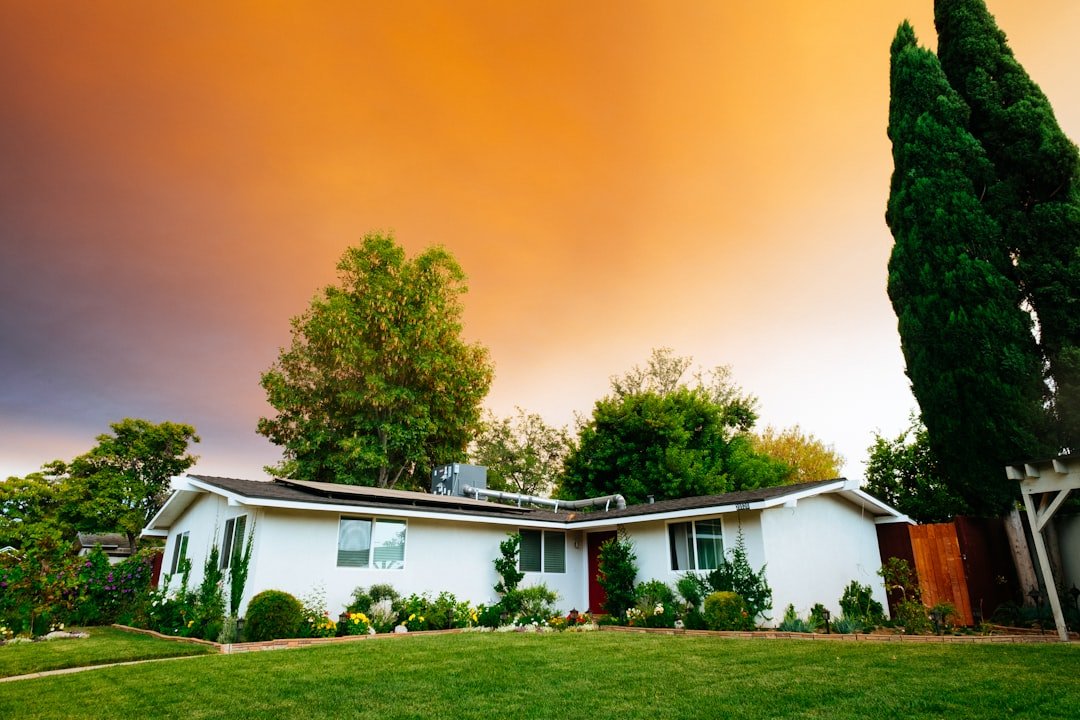

Homeowners insurance is a financial protection product that covers property owners against losses related to their residence and personal possessions. Standard policies provide coverage for multiple types of damage, including theft, fire damage, and specific weather-related incidents. Policyholders pay regular premiums in exchange for financial compensation when covered events occur.
Most homeowners insurance policies include three primary components: dwelling coverage for the physical structure, personal property coverage for belongings, and liability coverage for accidents occurring on the property. Homeowners insurance is mandatory for most mortgage holders, as lenders require coverage to protect their investment. Premium costs are calculated based on several risk factors, including geographic location, property age, construction materials, home value, and local crime rates.
Additional factors such as the homeowner’s credit score and claims history may also influence pricing. Property owners should evaluate their coverage needs by considering their home’s replacement cost, the value of their personal belongings, and their potential liability exposure to ensure adequate protection levels.
Key Takeaways
- Homeowners insurance protects your most valuable asset—your home—from various risks and damages.
- Coverage options include protection against natural disasters and liability claims, with customizable add-ons.
- Liability coverage is crucial for safeguarding against legal and medical expenses from accidents on your property.
- Regularly reviewing and updating your policy ensures adequate protection as your needs and circumstances change.
- Choosing the right policy involves comparing options, understanding coverage details, and considering financial benefits.
The Importance of Protecting Your Biggest Investment
For many individuals and families, their home represents the largest financial investment they will ever make. This makes protecting that investment paramount. Homeowners insurance acts as a safeguard against unforeseen events that could lead to substantial financial loss.
Whether it’s a natural disaster that damages the structure or a burglary that results in stolen valuables, having adequate insurance coverage can mean the difference between financial stability and significant hardship. Moreover, the emotional attachment to a home often amplifies the need for protection.
When homeowners invest in insurance, they are not just protecting their financial interests but also preserving the emotional value tied to their property. This dual aspect of protection underscores the importance of having a robust homeowners insurance policy in place.
Coverage Options and Add-Ons to Consider

When it comes to homeowners insurance, understanding the various coverage options available is essential for tailoring a policy to meet specific needs. Standard policies typically cover dwelling protection, personal property, and liability coverage. However, homeowners may find that additional coverage options or add-ons can provide enhanced protection.
For instance, endorsements for valuable items such as jewelry or art can ensure that high-value possessions are adequately covered. Another important consideration is flood insurance. Many standard homeowners policies do not cover flood damage, which can be devastating in certain regions.
Homeowners living in flood-prone areas should consider purchasing separate flood insurance to protect against this risk.
Additionally, options like earthquake coverage or extended replacement cost coverage can provide further peace of mind. By exploring these various options and add-ons, homeowners can create a comprehensive policy that aligns with their unique circumstances and risks.How Homeowners Insurance Can Safeguard Against Natural Disasters
Natural disasters pose significant threats to homes and properties across the globe. From hurricanes and tornadoes to wildfires and earthquakes, these events can lead to catastrophic damage. Homeowners insurance plays a vital role in safeguarding against such disasters by providing financial support for repairs and rebuilding efforts.
In many cases, policies can cover the costs associated with temporary housing while repairs are underway, alleviating some of the stress that comes with such situations. However, it is crucial for homeowners to understand the specific types of natural disasters covered by their policies. While standard homeowners insurance may cover certain perils like fire or wind damage, it often excludes others, such as flooding or earthquakes.
Homeowners must assess their geographical risks and consider additional coverage options to ensure they are adequately protected against the natural disasters most likely to affect their area. By doing so, they can mitigate potential losses and ensure a quicker recovery in the aftermath of a disaster.
The Role of Liability Coverage in Homeowners Insurance
| Metric | Description | Typical Range | Notes |
|---|---|---|---|
| Average Annual Premium | Average yearly cost of homeowners insurance | 1000 – 1500 | Varies by state and home value |
| Dwelling Coverage | Amount covered for the structure of the home | 80% – 100% of home replacement cost | Should cover full rebuild cost |
| Personal Property Coverage | Coverage for personal belongings inside the home | 50% – 70% of dwelling coverage | May have sub-limits for valuables |
| Liability Coverage | Protection against lawsuits for injury or property damage | 100,000 – 500,000 | Higher limits available for additional cost |
| Deductible | Amount paid out of pocket before insurance pays | 500 – 2000 | Higher deductible lowers premium |
| Loss of Use Coverage | Coverage for additional living expenses if home is uninhabitable | 20% – 30% of dwelling coverage | Helps with temporary housing costs |
| Discounts | Common discounts available | 5% – 25% off premium | Includes bundling, security systems, claims-free |
Liability coverage is an integral component of homeowners insurance that often goes overlooked. This aspect of the policy protects homeowners from legal claims arising from injuries or damages that occur on their property. For example, if a guest slips and falls while visiting, liability coverage can help cover medical expenses and legal fees if the injured party decides to sue.
This protection is essential for safeguarding not only financial assets but also personal peace of mind. In addition to covering injuries on the property, liability coverage can extend to incidents that occur away from home as well. For instance, if a homeowner’s pet bites someone at a park, liability coverage may help cover the costs associated with that incident.
Given the unpredictable nature of accidents and injuries, having robust liability coverage is crucial for any homeowner looking to protect themselves from potential legal repercussions.
Tips for Finding the Right Homeowners Insurance Policy

Finding the right homeowners insurance policy can be a daunting task, but several strategies can simplify the process. First and foremost, homeowners should assess their specific needs and risks before shopping for insurance. This includes evaluating the value of their home and belongings, as well as considering any unique risks associated with their location or lifestyle.
By understanding these factors, individuals can better identify what type of coverage they require. Additionally, obtaining multiple quotes from different insurance providers is essential for making an informed decision. Each insurer may offer varying premiums and coverage options, so comparing these can help homeowners find the best fit for their budget and needs.
It is also advisable to read customer reviews and check the financial stability of potential insurers to ensure they are reputable and reliable. By taking these steps, homeowners can navigate the complexities of selecting an appropriate policy with greater confidence.
The Financial Benefits of Having Homeowners Insurance
While homeowners insurance represents an ongoing expense, its financial benefits far outweigh the costs associated with premiums. In the event of damage or loss, having insurance can save homeowners from incurring substantial out-of-pocket expenses that could otherwise lead to financial strain or even bankruptcy. For instance, repairing significant damage from a fire or storm without insurance could cost tens of thousands of dollars—an amount that many individuals simply cannot afford.
Moreover, having homeowners insurance can also enhance property value and marketability when it comes time to sell. Prospective buyers often look favorably upon homes that come with an active insurance policy, as it indicates that the property has been well cared for and protected against potential risks. This added layer of security can make a home more appealing in a competitive real estate market, ultimately benefiting sellers financially.
The Importance of Regularly Reviewing and Updating Your Homeowners Insurance Policy
Homeowners insurance is not a one-time purchase; it requires regular review and updates to ensure it remains relevant to changing circumstances. Life events such as renovations, new purchases, or changes in family size can significantly impact coverage needs. For example, if a homeowner adds an extension or makes significant upgrades to their property, it is crucial to update the policy to reflect these changes accurately.
Additionally, market fluctuations can affect property values over time. Regularly reviewing the policy ensures that coverage limits align with current market conditions and adequately protect against potential losses. Homeowners should also take this opportunity to reassess deductibles and explore any new coverage options that may have become available since their last review.
By staying proactive about their homeowners insurance policy, individuals can maintain optimal protection for their most valuable asset— their home.
Homeowners insurance is an essential aspect of protecting your property and assets, but understanding the nuances of various insurance policies can be challenging. For homeowners looking to safeguard their investments, it’s also important to consider how auto insurance can complement their overall coverage. For insights into legal matters related to auto accidents, which can impact homeowners insurance claims, you might find this article on expert auto accident lawyers helpful: Expert Auto Accident Lawyers: Your Legal Advocates.
FAQs
What is homeowners insurance?
Homeowners insurance is a type of property insurance that covers losses and damages to an individual’s house and assets in the home. It typically includes coverage for the structure, personal belongings, liability protection, and additional living expenses if the home becomes uninhabitable.
What does homeowners insurance typically cover?
Homeowners insurance usually covers damage to the home caused by perils such as fire, theft, vandalism, certain natural disasters, and liability for injuries that occur on the property. It may also cover personal property and additional living expenses if the home is temporarily uninhabitable.
Is homeowners insurance mandatory?
Homeowners insurance is not legally required by law, but mortgage lenders typically require borrowers to have a policy in place to protect their investment in the property.
How is the cost of homeowners insurance determined?
The cost depends on factors such as the home’s location, age, construction type, coverage limits, deductible amount, the insured’s credit score, and claims history.
What is a deductible in homeowners insurance?
A deductible is the amount the policyholder must pay out of pocket before the insurance company pays for a covered loss. Higher deductibles generally result in lower premium costs.
Does homeowners insurance cover natural disasters?
Standard policies cover some natural disasters like fire and windstorms but often exclude others such as floods and earthquakes. Separate policies or endorsements may be needed for these perils.
Can homeowners insurance cover personal belongings outside the home?
Yes, many policies provide limited coverage for personal belongings when they are temporarily away from the home, such as items stolen from a car or lost while traveling.
How do I file a homeowners insurance claim?
To file a claim, contact your insurance company as soon as possible, provide details of the loss or damage, document the damage with photos or videos, and submit any required forms or evidence.
What factors can lead to a homeowners insurance claim denial?
Claims may be denied if the damage is not covered under the policy, if the policy has lapsed, if there is insufficient documentation, or if the damage resulted from excluded perils or neglect.
Can I customize my homeowners insurance policy?
Yes, many insurers offer options to add endorsements or riders to cover specific risks or increase coverage limits to better suit individual needs.
1 thought on “Protect Your Home: The Importance of Homeowners Insurance”